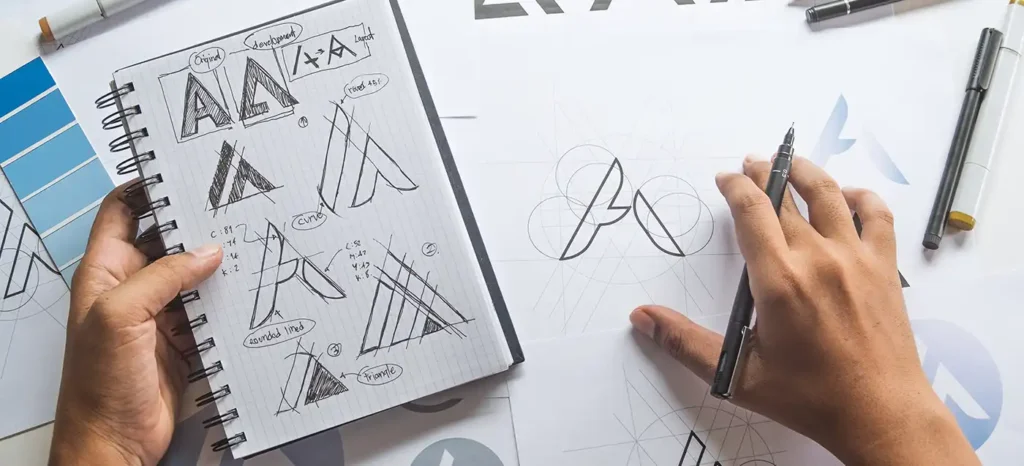
The significance of logos in today’s market cannot be overstated. In a world where consumers are bombarded with countless brands daily, having a distinctive logo is crucial for standing out. A well-designed logo can convey the essence of a brand, its values, and its unique selling proposition, all at a glance. But what makes a logo not just good, but great? Through years of branding experience and industry insight, we’ve identified five essential characteristics that form the backbone of effective logo design: simplicity, memorability, timelessness, versatility, and relevance.
1. Simplicity
The beauty of simplicity cannot be underestimated in logo design. A simple logo is not only easily recognizable but also more memorable. It cuts through the noise, making a clear statement in a complex world. This doesn’t mean the design has to be basic or boring; rather, it should convey the brand’s message in the most straightforward manner possible.
Why Simplicity Works
- Clarity of Message: Simple logos communicate the brand’s essence without clutter or confusion.
- Ease of Recognition: With fewer elements, simple logos are easier to identify at a glance, crucial in today’s fast-paced digital environment.
Examples of Simplicity at Its Best
Consider the iconic Apple logo or Nike’s swoosh. These logos embody simplicity, making them instantly recognizable worldwide. They prove that a logo doesn’t need to be complicated to convey its brand’s ethos effectively.
2. Memorability
A good logo stays with you. After a fleeting glance, it lingers in the mind, fostering brand recall. Memorability is closely tied to simplicity but adds an element of uniqueness that makes a logo stick in someone’s memory.
Crafting a Memorable Logo
- Distinctiveness: A memorable logo has a unique feature or concept that sets it apart.
- Connection to Brand Identity: It reflects the brand’s personality, making it easier for consumers to associate the logo with the brand’s essence.
Strategies for Memorable Design
Incorporating a twist on a familiar shape or using color strategically can enhance a logo’s memorability. The FedEx logo, for example, hides an arrow within the negative space between the ‘E’ and ‘x’, a subtle nod to precision and speed.
3. Timelessness
In the ever-changing world of design trends, a timeless logo remains effective year after year. Timelessness ensures that a logo doesn’t become dated, saving brands from frequent and costly rebranding efforts.
The Value of Timeless Design
- Long-term Brand Recognition: A logo that endures trends fosters long-term recognition and loyalty.
- Cost Efficiency: Less frequent redesigns mean resources can be allocated elsewhere within the brand.
Achieving Timelessness
Avoiding the latest design trends and focusing on what truly represents the brand can help achieve a timeless logo. The Coca-Cola logo is a prime example, having maintained its core design with minimal changes for over a century.
Examples of Timelessness
The Coca-Cola logo stands as a testament to timeless design, with its classic script remaining largely unchanged since the 1900s. This consistency has contributed to Coca-Cola’s global recognition and brand loyalty. By prioritizing a design that reflects the brand’s core values over fleeting trends, businesses can achieve a logo with lasting appeal.

4. Versatility
A good logo performs across various mediums and applications. From digital ads to physical products, the logo must maintain its integrity and effectiveness, adapting to different contexts without losing its identity.
Importance of Versatile Design
- Adaptability: A versatile logo scales to different sizes, from a billboard to a business card, without losing clarity or impact.
- Cohesiveness Across Media: Whether printed, online, or on merchandise, the logo should consistently represent the brand.
Tips for Enhancing Versatility
- Design in vector format to ensure scalability.
- Test the logo in black and white and in various sizes to ensure it maintains its effectiveness across different uses.
5. Relevance
The final pillar of a good logo is its relevance to the brand’s target audience and industry. A logo must resonate with the people it’s intended to reach, reflecting their values and the nature of the business.
Ensuring Relevance
- Understanding Your Audience: Deep knowledge of the target demographic helps tailor the logo’s design to their preferences and expectations.
- Reflecting Brand Personality: The logo should be a visual representation of the brand’s character, whether it’s professional, creative, playful, or sophisticated.
Balancing Trendiness and Timelessness
While striving for timelessness, it’s also important to ensure the logo feels modern and relevant to today’s audience. This balance can be achieved by focusing on the brand’s enduring qualities while incorporating modern design principles that resonate with current and potential customers.
Case Studies
To illustrate these principles, let’s consider a few examples:
- Apple’s Logo: Embodies simplicity and versatility, easily recognizable at any size or on any product.
- FedEx: Showcases memorability and timelessness with its clever use of negative space.
- Nike’s Swoosh: A study in simplicity, memorability, and versatility, representing movement and ambition without being tied to specific trends or time periods.
These brands have successfully navigated the challenges of logo design, creating iconic symbols that effectively communicate their essence to the world.
Conclusion
Creating a good logo is an investment in your brand’s future. It’s about more than just a visually appealing design; it’s about crafting a symbol that embodies simplicity, memorability, timelessness, versatility, and relevance. These characteristics ensure that a logo not only stands out but stands the test of time, adapting to changing landscapes while maintaining its core identity.
At Brandstormers.co, we believe in the power of strategic design to transform brands. By focusing on these five key characteristics, businesses can create logos that not only capture the essence of their brand but also forge meaningful connections with their audience. Remember, a great logo is the cornerstone of your brand identity. It’s worth the effort to get it right.